Top 25 Mobile App Features to Make Your App Stand Out


10 December, 2025
With millions of apps crowding the App Store and Google Play, the big question is how can your app truly stand out? The answer lies not just in how your app looks, but in what it can do.
Whether you’re launching a brand-new mobile app or improving an existing one, this guide will help you discover the most important and innovative app features to focus on for 2026 and the future.
In today’s fast-moving digital world, a mobile app is no longer optional it’s essential. But the real challenge is creating an app that doesn’t just exist, but captures attention and keeps users coming back.
Design and interface matter, but what truly sets a great app apart are its features the tools and functions that solve real problems, create convenience, and keep users engaged.
So, before you start coding, ask yourself: Which features will make users love, use, and recommend your app?
This blog breaks down exactly that from must-have core features to nice-to-have enhancements that boost engagement, improve user experience, and help your mobile app drive real results and revenue.
Top Trending Mobile App Features for 2026
As mobile app technology keeps evolving, 2026 is shaping up to be a year full of innovation and smarter user experiences. Some of the most in-demand mobile app features include AI-powered personalization, chat-based AI assistants similar to ChatGPT, touchless and gesture-driven interfaces, camera-integrated AR features, and predictive analytics that understand user behavior.
These advanced features are helping apps become more interactive, intuitive, and tailored to each user’s needs.
Let’s dive deeper into some of the most popular mobile app trends for 2026 and explore how they can make your app stand out in the crowded marketplace.
Plan to build an app?
Use our easy App Cost Estimator to know your development cost.
1. Simple and User-Friendly App Design
The first impression your app makes depends on how easy it is to use. A clean, well-organized design encourages users to stay longer and come back often.
A user-friendly interface helps people find what they need quickly without confusion. Keep your app layout simple, neat, and easy to follow especially for new users.
Avoid filling the screen with too much content or clutter. A good design should be visually attractive yet minimal, with clear icons, readable text, and buttons that are easy to tap.
Colors should fit your brand identity and create a pleasant look and feel. When your app feels natural to use, users can navigate it effortlessly.
To achieve this, it’s always smart to partner with a top-rated mobile app development company that understands both design and user behavior.
2. Fast Loading Speed and Smooth Performance
In the world of mobile apps, speed matters more than ever. If your app takes too long to load or respond, users will quickly switch to another option. People expect instant results even a few seconds of delay can make them leave.
A slow-performing app not only frustrates users but can also lead to higher uninstall rates. On the other hand, when your app runs fast and smoothly, users are more likely to stay, explore, and engage.
To achieve this, developers should focus on optimizing the app’s code, using compressed images, and reducing background activities that slow things down. These small improvements ensure your app performs well on all kinds of devices even older phones or weaker internet connections.
A fast, responsive app creates a better user experience, improves retention, and builds trust in your brand. Our professional mobile app developers make sure every app we build runs efficiently and delivers a seamless experience for users.
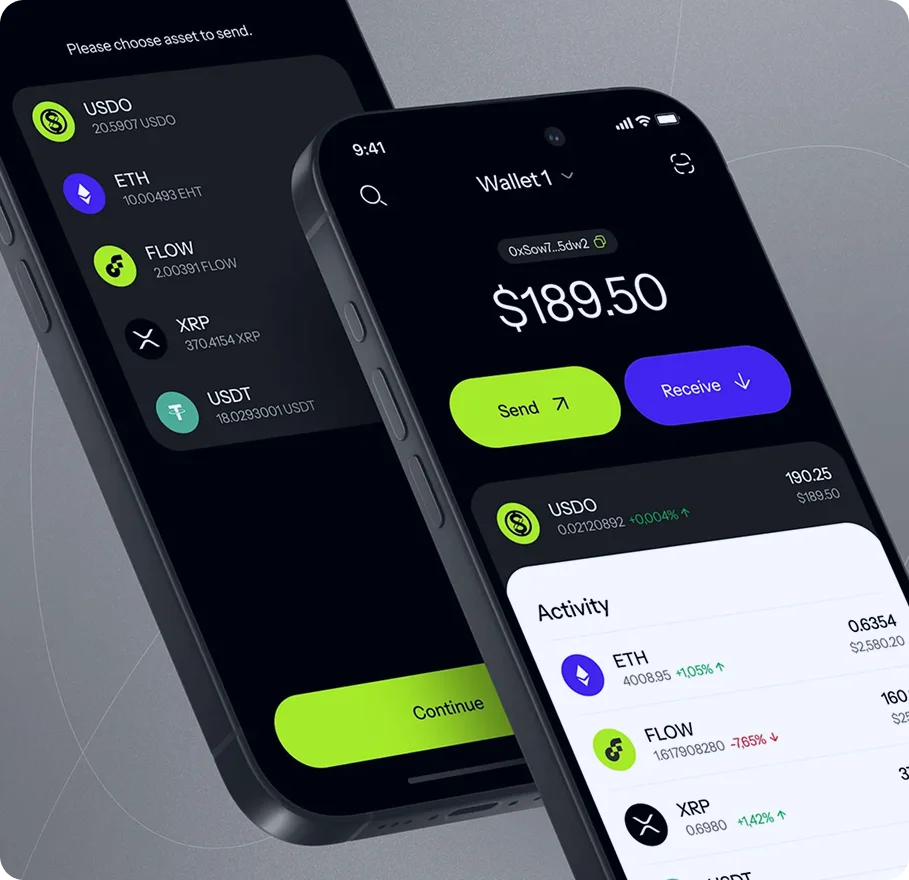
3. Secure and Easy Mobile Payment Options
In today’s digital world, users expect apps to offer safe and convenient payment methods. If your app doesn’t provide secure payment options, users may hesitate to share their details or complete a purchase.
Mobile payments have become a standard feature because they make transactions quick, simple, and seamless. Whether it’s for shopping, food delivery, booking, or services, it’s important to include multiple payment options like credit or debit cards, PayPal, Apple Pay, and Google Pay.
By supporting different payment methods, your app can build trust and reliability among users. It also gives them the flexibility to choose the option they’re most comfortable with.
When payments are fast and secure, users are more likely to complete their orders which means higher conversion rates and happier customers. So, if you’re building a business app, make sure to prioritize mobile payment integration for a smoother user experience.
4. Location-Based Features
Location-based features are becoming a key part of modern mobile apps, helping users find what they need nearby whether it’s a store, restaurant, or service.
By adding geolocation technology, your app can show users relevant local options in real time. For example, a restaurant app can display nearby dining spots, while a taxi or delivery app can connect users with the closest drivers or couriers.
This feature also supports live tracking, allowing users to see where their delivery or ride is at any given moment something customers really appreciate.
For businesses, location-based functionality improves user convenience, boosts engagement, and adds personal value to the overall experience. If your app offers on-demand or delivery services, including location tracking is no longer optional it’s a must-have for success.
5. Push Notifications
Push notifications are one of the most effective ways to keep users connected with your app even when they’re not using it. They let you send short, timely messages directly to users’ devices, keeping your brand top of mind.
These messages can include updates, reminders, offers, or news. For example, a shopping app might alert users about a flash sale, while a food delivery app could send real-time updates about their order.
But remember, balance is key. Sending too many notifications can easily annoy users and lead them to turn off alerts or even uninstall your app.
The best approach is to personalize notifications based on user interests and behavior. When done right, push notifications can boost engagement, encourage repeat visits, and build a stronger connection between users and your brand.
6. Social Media Integration
Social media integration plays a big role in how users connect with your brand. By linking your app to social platforms, users can easily share their experiences, favorite products, or reviews directly from your app helping you reach more people and attract new users.
It also makes signing up or logging in much simpler. Allowing users to connect through platforms like Facebook, Google, or X (formerly Twitter) saves time and removes the hassle of creating a new account from scratch.
This not only improves the user experience but also encourages more people to try and keep using your app. In short, social media integration boosts brand visibility, user engagement, and convenience all at the same time.
7. Customization and Personalization
People enjoy using apps that match their personal needs and preferences. Personalization allows your app to adapt based on each user’s behavior, interests, or location. For instance, a shopping app can recommend products similar to what a user has bought before, while a food delivery app can suggest nearby restaurants they might like.
When users see content and suggestions tailored just for them, they feel more connected to the app. This not only improves their experience but also encourages them to return more often.
Personalized experiences make users feel valued and help build trust and loyalty two things every app needs to stand out in today’s competitive market.
8. Analytics and Insights
To grow your app successfully, you need to understand how users interact with it. That’s where analytics come in. By tracking user behavior and app performance, you can see what’s working well and what needs improvement.
For example, if you notice users often leave during checkout, it may be a sign that the payment process needs to be simpler.
Reviewing your app’s analytics regularly helps you enhance features, fix pain points, and improve the overall user experience. Making decisions based on real data ensures your app stays competitive and meets user expectations.
You can also use tools like an email domain analyzer or other performance trackers to measure how your app performs across marketing and communication channels.
9. Strong Security Features
Security is one of the most important factors users look for in any app. People want to feel confident that their personal information and payment details are fully protected.
To ensure safety, your app should include features like data encryption, secure logins, and two-factor authentication. These measures help prevent unauthorized access and keep sensitive data safe.
Regular security updates are also essential to defend against new threats and keep your app running safely. Having reliable backup systems in place protects user data from loss and builds long-term trust.
When users know your app is secure, they’re more likely to use it for transactions, sign-ins, and sharing personal information helping you earn their confidence and loyalty.
Have an app idea? Let’s turn it into reality!
Share your details in our quick form and get expert advice from our team.
10. Offline Functionality
While most mobile apps rely on an internet connection, adding offline functionality can greatly improve the user experience. It allows users to access certain features, content, or saved data even when they’re not connected to the internet.
This is especially useful for travel, education, or entertainment apps. For instance, a navigation app could let users view saved maps offline, or a learning app might allow access to downloaded lessons anytime.
Offline access makes your app more reliable and convenient, especially in areas with poor or no connectivity. It not only increases user satisfaction but also adds extra value to your app making it stand out from the competition.
11. In-App Messaging and Chat Support
Instant support can make a big difference in how users feel about your app. By adding in-app messaging or chat support, users can get help right away without leaving the app.
This feature can include live chat with customer service agents or AI-powered chatbots that answer common questions. Both options make it easy for users to solve issues quickly and continue using the app without interruptions.
For example, in an e-commerce app, if a customer needs help tracking an order, they can simply message support within the app instead of switching platforms.
Providing real-time assistance not only improves user satisfaction but also builds trust and reliability showing users that your brand is always there to help.
12. Multi-Language Support
Adding multi-language support makes your app more inclusive and user-friendly. It allows people to choose the language they’re most comfortable with, helping them navigate and use your app with ease.
This feature also helps you reach a wider audience from different regions and backgrounds. For example, an online learning app could offer courses in several languages, making the content accessible to learners around the world.
When users can interact with your app in their preferred language, they feel more connected and confident using it. Offering multi-language options not only improves the overall experience but also increases engagement and expands your global reach.
13. User Reviews and Ratings
User reviews and ratings help build trust and credibility for your app. They give users a voice to share their experiences, opinions, and suggestions. Positive reviews encourage new users to try your app, while constructive feedback helps you identify areas for improvement.
For example, in a food delivery app, customers can rate the food and service, helping others make better decisions when ordering.
High ratings and genuine reviews not only boost your app’s reputation but also attract more downloads and active users. Listening to feedback and responding to it shows that you value your users which helps strengthen long-term loyalty.
14. Seamless Registration and Login
A quick and easy sign-up process is key to keeping users interested in your app. Complicated registration steps can turn people away before they even start. By offering social media login options or simple email sign-ups, you make it faster and more convenient for users to get started, which is an essential part of the mobile app development process.
For example, a gaming app might let users log in using Facebook or Google, saving time and avoiding unnecessary hassle.
When registration feels smooth and effortless, users are more likely to stay, explore, and keep coming back. A seamless login experience helps create a positive first impression and encourages long-term engagement.
15. Augmented Reality (AR) Integration
Augmented Reality (AR) brings a fun and interactive layer to your app by blending the real world with virtual elements. It allows users to see and experience digital objects in their actual surroundings, creating a more engaging experience.
For example, an e-commerce app can let customers preview how furniture or decor would look in their home before making a purchase. This not only keeps users engaged longer but also helps them make more confident buying decisions.
AR isn’t just for shopping it’s transforming other industries too. In gaming apps, AR can bring virtual characters or items into the player’s real-world environment, making gameplay more exciting and immersive.
16. Voice Search and Commands
Adding voice search and command features makes your app faster, smarter, and easier to use. It allows users to speak instead of type, making navigation more convenient and hands-free.
Imagine using your voice to find a nearby restaurant, book a ride, or play music all without touching your phone. This feature is especially useful for people who multitask, such as when driving, cooking, or working out.
For example, a fitness app could let users start their next workout or track progress using simple voice commands.
As voice technology continues to evolve, more apps are adopting this feature to offer a seamless and user-friendly experience. Including voice control in your app can make it feel modern, accessible, and effortless to use.
17. App Update Notifications
Including app update notifications is a smart way to keep users informed and engaged. Whenever a new version of your app is released, users should automatically receive alerts about the latest updates or improvements.
These notifications let users know when new features, bug fixes, or performance enhancements are available. For example, a weather app might notify users about added tools like radar maps or real-time storm alerts that improve its usefulness.
You can also use update notifications to share news about fresh content, special offers, or limited-time features.
By keeping users in the loop, you ensure they always have access to the latest and best version of your app which helps improve satisfaction and trust.
18. App Usage History
An app usage history feature allows users to easily track their past activity and access it whenever they need. It helps create a more personalized and convenient experience.
For example, in a retail app, users can view a list of previously browsed or purchased items, making it easier to find products they liked before or complete a pending purchase.
This feature also lets users pick up right where they left off, without having to search again. By saving recent actions or viewed content, app usage history makes the experience smoother, faster, and more tailored to each user’s needs.
19. Cloud Synchronization
Cloud synchronization keeps your data up to date across all your devices. Whether you’re using a phone, tablet, or computer, you can easily access the same information anytime, anywhere.
For example, a note-taking app might let you write notes on your phone, which then automatically sync to your laptop when you log in.
With cloud sync, you can pick up exactly where you left off, no matter which device you’re using. All your files, settings, and preferences stay updated and consistent. This feature ensures a smooth, seamless, and connected user experience.
20. Dark Mode
Dark mode changes your app’s color scheme to darker tones, making it easier to use in low-light environments. It helps reduce eye strain, especially at night, and creates a more comfortable viewing experience.
For example, a messaging app might automatically switch to dark mode when used in the evening, preventing the bright screen from disrupting your rest.
Many users prefer dark mode not only because it’s stylish and modern, but also because it’s gentler on the eyes. Allowing users to switch between light and dark themes gives them more control and makes the app feel more personal. This simple feature can greatly improve overall user comfort and satisfaction.
21. Geofencing
Geofencing uses a user’s location to trigger specific actions or notifications within an app. When someone enters a certain area, the app can automatically send alerts or show relevant content.
For example, a shopping app might send a discount offer or special deal when a user is near one of its stores.
This feature helps create a personalized and location-aware experience. In a fitness app, for instance, it could remind users to track their workout when they arrive at a park or gym.
By responding to a user’s real-world location, geofencing makes apps feel more interactive, smart, and connected to everyday life.
22. App Tutorials and Onboarding
App tutorials and onboarding help new users understand how your app works right from the start. They guide users through key features and show how to use them effectively.
For example, a photo editing app might walk users through how to adjust brightness, apply filters, or crop images during the first use.
Good onboarding makes the learning process quick and easy, helping users feel confident instead of confused. When users know how to navigate your app from the beginning, they’re more likely to stay engaged and enjoy the experience.
Simple, clear tutorials ensure that users can start using your app smoothly and get value from it right away.
Need help choosing the right app features?
Our app experts will help you design what works best for your goals.
23. Gamification Elements
Gamification adds a fun and rewarding touch to your app, keeping users motivated and engaged. Everyone loves earning rewards, badges, or points for completing certain actions it makes using the app feel more enjoyable.
By introducing reward systems like daily streaks, challenges, or referral bonuses, you encourage users to spend more time in your app and keep coming back.
Many popular apps already use gamification to great effect. For example, Duolingo makes learning languages exciting with progress tracking and achievement badges, while Starbucks rewards customers with points and discounts for repeat purchases.
Adding gamified elements helps create a sense of achievement and loyalty, turning ordinary actions into meaningful experiences that benefit both users and your brand.
24 Wearable Device Integration
The use of wearable devices like smartwatches and fitness bands is growing quickly. According to IDC, over 136.5 million wearable devices were shipped in 2025, showing how popular this technology has become.
Adding wearable device integration to your app can make it more useful and connected. This feature is especially valuable for fitness, health, and productivity apps. It allows users to track important health data such as heart rate, steps, sleep patterns, and stress levels in real time.
For example, users can get app notifications like calls, messages, or reminders directly on their smartwatch and even reply from there. In smart home apps, users can control lights, music, or other devices right from their wrist.
Wearables can also boost security, as biometric sensors can help verify identity for logins or payments.
In short, integrating wearables into your app increases convenience, mobility, and personalized experiences, making your app more engaging and future-ready.
25. Generative AI Tools in Apps
Generative AI tools are smart in-app features that use advanced AI models like GPT or DALL·E to automatically create different types of content. These tools can make apps more intelligent and useful by handling creative and repetitive tasks.
For example:
- Text generation: Writing emails, social media captions, or quick replies.
- Image creation/editing: Making digital art, avatars, or editing pictures based on user prompts.
- Video or audio creation: Producing short clips, voiceovers, or background music.
- Code assistance: Helping developers write or fix code faster.
Adding these AI tools makes apps more personalized, productive, and creative. They help improve the overall user experience and engagement.
A great real-life example is Canva, which uses Generative AI through its Magic Design feature. It acts like a design assistant, helping users quickly create and edit visuals with ease and serves as a perfect example of what expert AI app development services can achieve.
How to Choose the Right Mobile App Features
Choosing the best features for your mobile app means focusing on what truly matters your app’s main goal and what your target users need most. The right features help your app stand out and provide real value to users.
Here’s a simple step-by-step guide to help you select the right mobile app features:
Step 1: Define your app’s purpose and audience
Start by understanding what problem your app solves and who will use it.
Step 2: Identify the core features
List the most important features that your app can’t function without.
Step 3: Understand user needs and feedback
Talk to users or review feedback from similar apps to learn what they expect.
Step 4: Rank features by importance
Sort your features from “must-have” to “nice-to-have” based on your app’s goal.
Step 5: Analyze competitors
Check what features other successful apps in your niche are offering and see what’s trending.
Step 6: Focus on user experience
Choose features that make your app simple, fast, and enjoyable to use.
Step 7: Prioritize security and privacy
Protect your users’ data with strong security features like encryption and authentication.
Step 8: Ensure accessibility
Make sure your app is easy to use for everyone, including people with disabilities.
Step 9: Review and update regularly
Keep testing and improving your app’s features to stay relevant and user-friendly.
By following these steps, you’ll have a perfect feature list ready for a successful app launch.
How The Hashtech Can Help You Build a Successful Mobile App
The Hashtech is a trusted mobile app development company with a strong record of delivering high-quality digital products. From CTO-as-a-Service to end-to-end software development, we manage your app project from idea to launch all handled by one expert and dedicated team.
What makes us stand out is our 90% talent retention rate. Many of our professionals have been with us since the beginning, ensuring consistency, experience, and reliable delivery in every project.
Our developers have worked on various mobile apps across industries including healthcare, eCommerce, finance, and education helping startups and enterprises turn their ideas into powerful digital products. For instance, we recently helped a health and fitness app integrate AI-based tracking features, improving user engagement by over 40%. We also supported a fintech startup in developing secure payment and loan management solutions that scaled to thousands of users within months.
With our technical expertise and focus on innovation, The Hashtech ensures your app not only looks great but performs seamlessly and achieves your business goals.
Want an app with all your dream features?
Team up with our expert developers and make it happen.
Frequently Asked Questions (FAQ’s)
1. What Are the Key Features That Make a Mobile App Successful?
A successful mobile app includes the right set of features that make it easy and enjoyable to use. Some of the most important ones are:
- A simple and user-friendly interface
- Fast loading speed and smooth performance
- Push notifications to keep users updated
- Strong security to protect user data
These features work together to create a great user experience. A clean and easy design helps users navigate without confusion, while a well-optimized app ensures everything runs quickly and smoothly.
2. How Important Is UI/UX in a Mobile App?
UI/UX is one of the most important factors that decide how users feel about your app. People prefer apps that are easy to use, quick to load, and visually appealing.
If your app is confusing or slow, users will likely leave and switch to another one. A strong UI/UX design ensures clear navigation, smooth performance, and a layout that feels natural to explore.
The simpler and more enjoyable your app is to use, the more time users will spend on it and the more likely they’ll return.
3. Why Is Security Important for Mobile Apps?
Security is one of the most crucial parts of any mobile app, especially if it handles personal or financial information. Without proper protection, your app can be exposed to data breaches or cyberattacks, putting both users and your business at risk.
When users know their data is safe, they’re more likely to trust and continue using your app. Features like data encryption, secure logins, and regular security updates help protect sensitive information and keep your app reliable.
Maintaining strong security not only safeguards user data but also protects your brand’s reputation and builds long-term trust with your audience.
4. How Much Does It Cost to Develop a Mobile App?
The cost of building a mobile app depends on several factors, including:
- The complexity of the app
- The features you want to include
- The platform (iOS, Android, or both)
- Your target audience
- The location and size of your development team
In general, a basic app can cost between $5,000 and $30,000+, while a more advanced or feature-rich app can range from $50,000 to $200,000+.
To get a clearer idea, you can check out our detailed mobile app development cost guide, which explains all the factors that influence pricing.
5. Why Choose The Hashtech for Mobile App Development?
Choosing The Hashtech means partnering with a team of skilled professionals who are passionate about creating high-quality and innovative mobile apps. We take the time to understand your business goals and design a clear plan to turn your idea into a successful product.
With The Hashtech, you can expect an intuitive, feature-rich app that helps you stand out from the competition. Plus, our mobile app development services are cost-effective, making it easier for you to achieve great results within your budget.